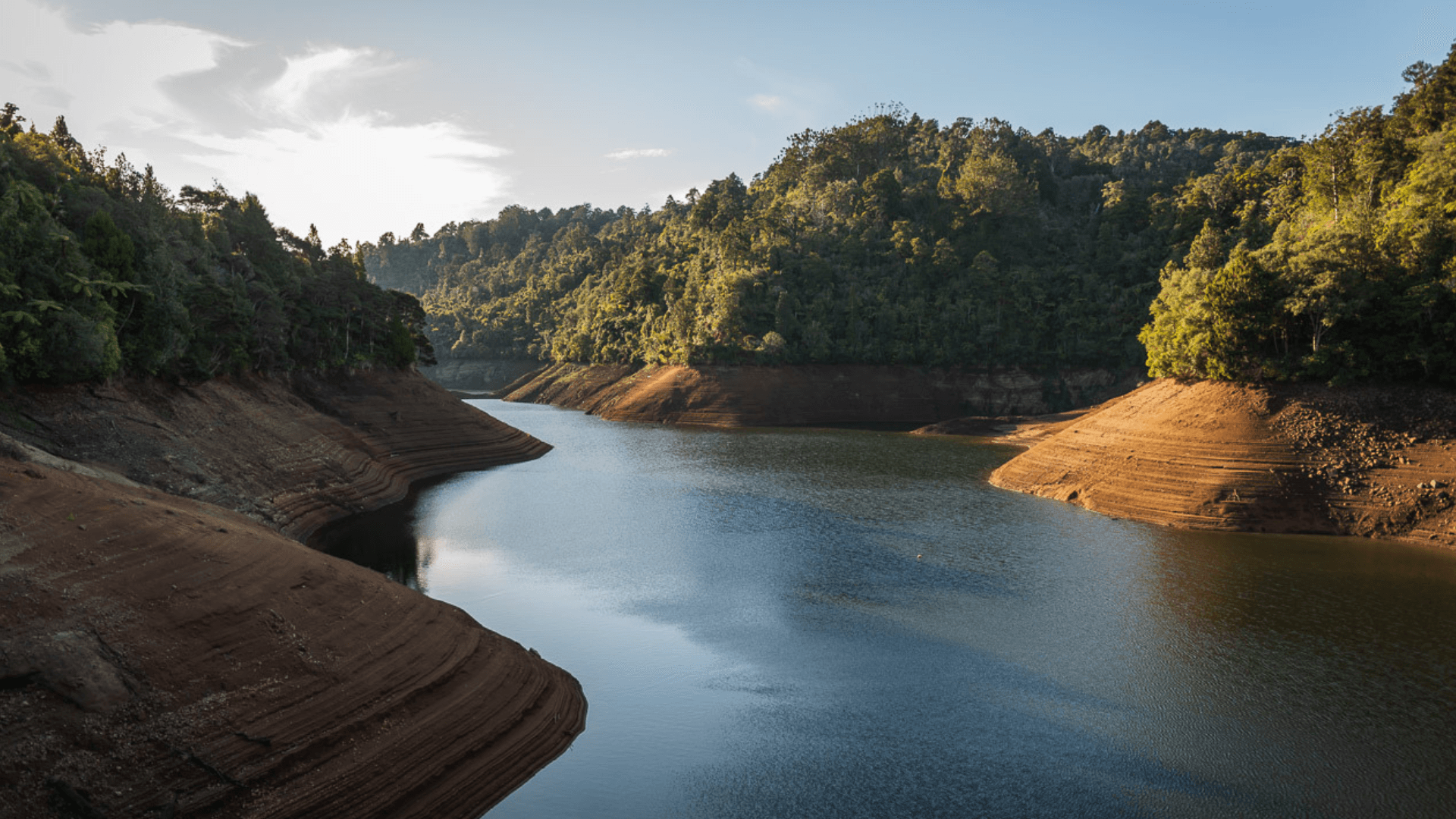
Auckland enters summer with healthy water supplies and updated drought plan
12 August 2026Auckland’s dams are in a strong position heading into summer and Watercare is planning ahead to manage any prolonged dry spells brought by El Niño.
Watercare today released its updated Drought Management Plan, which sets out how Auckland will prepare for and respond to extended dry periods.
The El Niño declared in July is expected to strongly influence New Zealand’s weather during spring and into summer, with drier-than-normal conditions forecast for Auckland.
With Auckland’s total water storage currently 94% - almost 10% above the historical average for this time of year - Watercare Chief Operations Officer Mark Bourne says the need for water restrictions this summer is unlikely.
While Auckland is well placed heading into summer, Bourne says Aucklanders can help by continuing the water-wise habits many have adopted in recent years.
“We actively monitor Auckland’s dam levels, water demand and the weather to make sure we’re in the best position to manage potential dry periods,” Bourne says.
“Aucklanders have done a fantastic job adopting simple water-saving habits, and it makes a real difference. Our dams are almost full as we head into what is forecast to be a dry few months.
“Every litre saved helps. By making water efficiency part of our everyday routine, we can all play a part in helping ensure Auckland continues to have a secure and reliable water supply.”
Aucklanders are using less water at peak times than during the 2020 drought, when demand reached 568 million litres per day. Over the past five years, the annual average use has been around 440 million litres per day.
Auckland’s water demand can rise by as much as 100 million litres on a hot, dry day, compared to normal use. This can put pressure on treatment plants and networks.
Bourne says there are several easy ways to use less water, which can also help keep water bills down.
“Shorter showers can make a big difference. Try to keep your showers to four minutes or less.
“Water your garden early in the morning or at dusk to reduce evaporation, and always use a trigger nozzle on your hose to avoid wasting water.
“Checking your home for leaks is another good way to save water, with a leaking toilet able to waste up to 80 litres a day.”
Chair of the Policy, Planning and Development Committee, Councillor Richard Hills, says Aucklanders can head into summer with confidence, while still being mindful about how they use water.
“It’s reassuring to see Auckland’s water supplies in such a healthy position as we head into the warmer months,” Councillor Hills says.
“Watercare’s planning gives Aucklanders confidence that the city is well prepared if dry conditions continue for longer than expected.
“Dams may be in a strong position, our leak levels are low, but we must keep being water wise as we know with climate change conditions can change quickly. Small everyday choices can help reduce pressure on the network and keep Auckland well placed for any future drought.”
Watercare’s Drought Management Plan is reviewed every two years or after a drought event. It details the water restriction trigger levels used for metropolitan Auckland and non-metropolitan areas, specifically Wellsford and Helensville/Parakai.
Trigger levels tell us when to enter water restrictions and when to move up or down a restriction level. They also include a ‘drought preparedness’ stage, giving everyone time to prepare if the rain stays away longer than expected.
“The Drought Management Plan is all about planning ahead,” Bourne says. “It helps Watercare, Auckland Council and the community work together to keep Auckland’s water use on track and is part of Watercare's ongoing work to ensure Aucklanders continue to have access to safe, reliable drinking water now and into the future.”
Read more: Auckland Drought Management Plan
Top tips to save water
- Keep your showers short. Four minutes or less should be plenty.
- Attach a trigger nozzle to your garden hose to reduce wastage when watering.
- Water your garden early in the morning or at dusk to reduce evaporation.
- Cool off the kids this summer with water pistols, reusable water balloons or a small paddling pool, instead of using the sprinkler.
- Check your home for leaks.