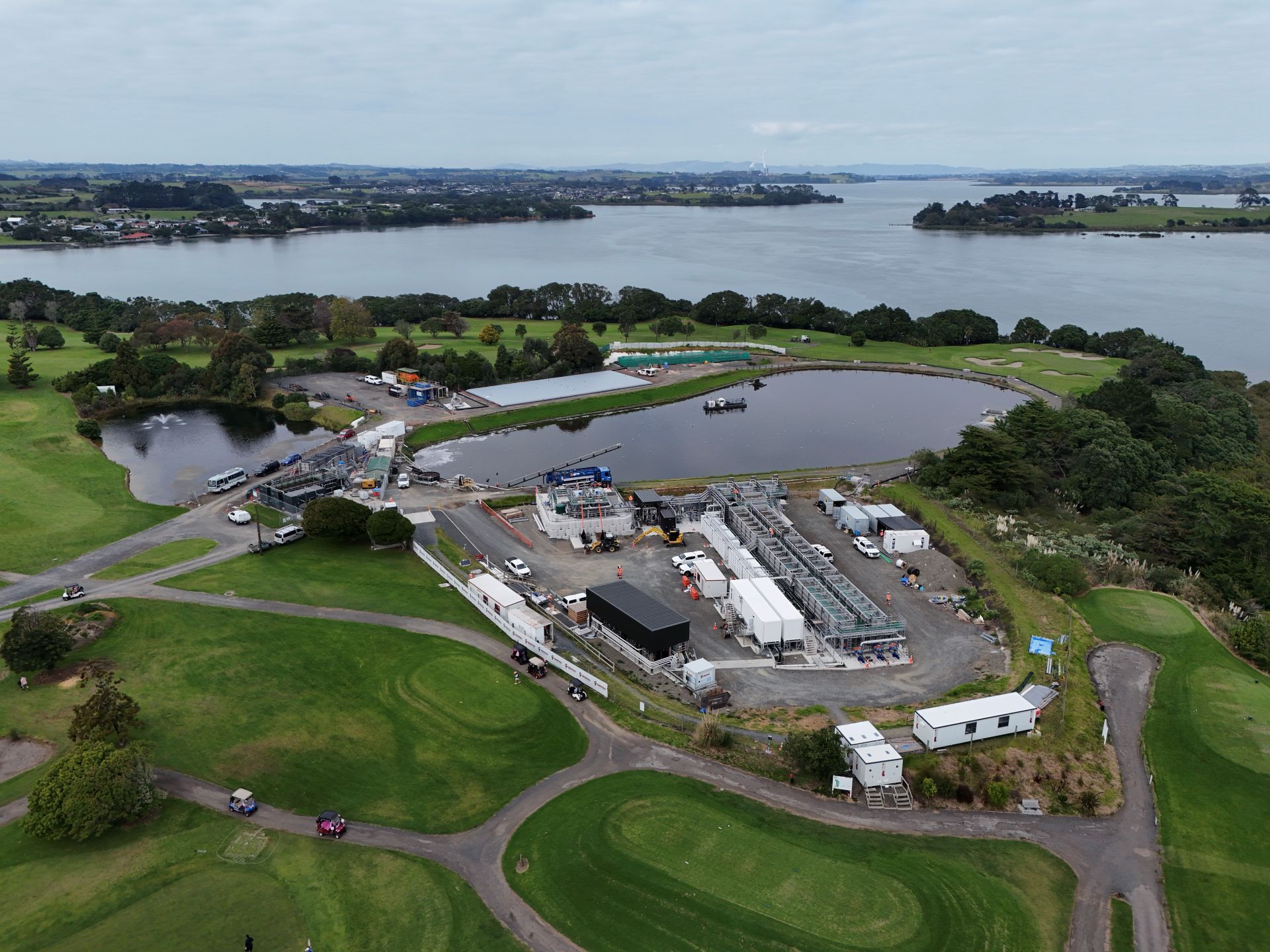
Billions of microorganisms bring Clarks Beach Wastewater Treatment Plant to life
14 May 2026Billions of naturally occurring microorganisms have been successfully transferred to the upgraded Clarks Beach Wastewater Treatment Plant, marking a major milestone in bringing the new facility into service.
Known as activated sludge, these naturally occurring microorganisms are the biological engine of the treatment process, helping remove organic matter and nutrients from wastewater before it undergoes ultraviolet (UV) disinfection.
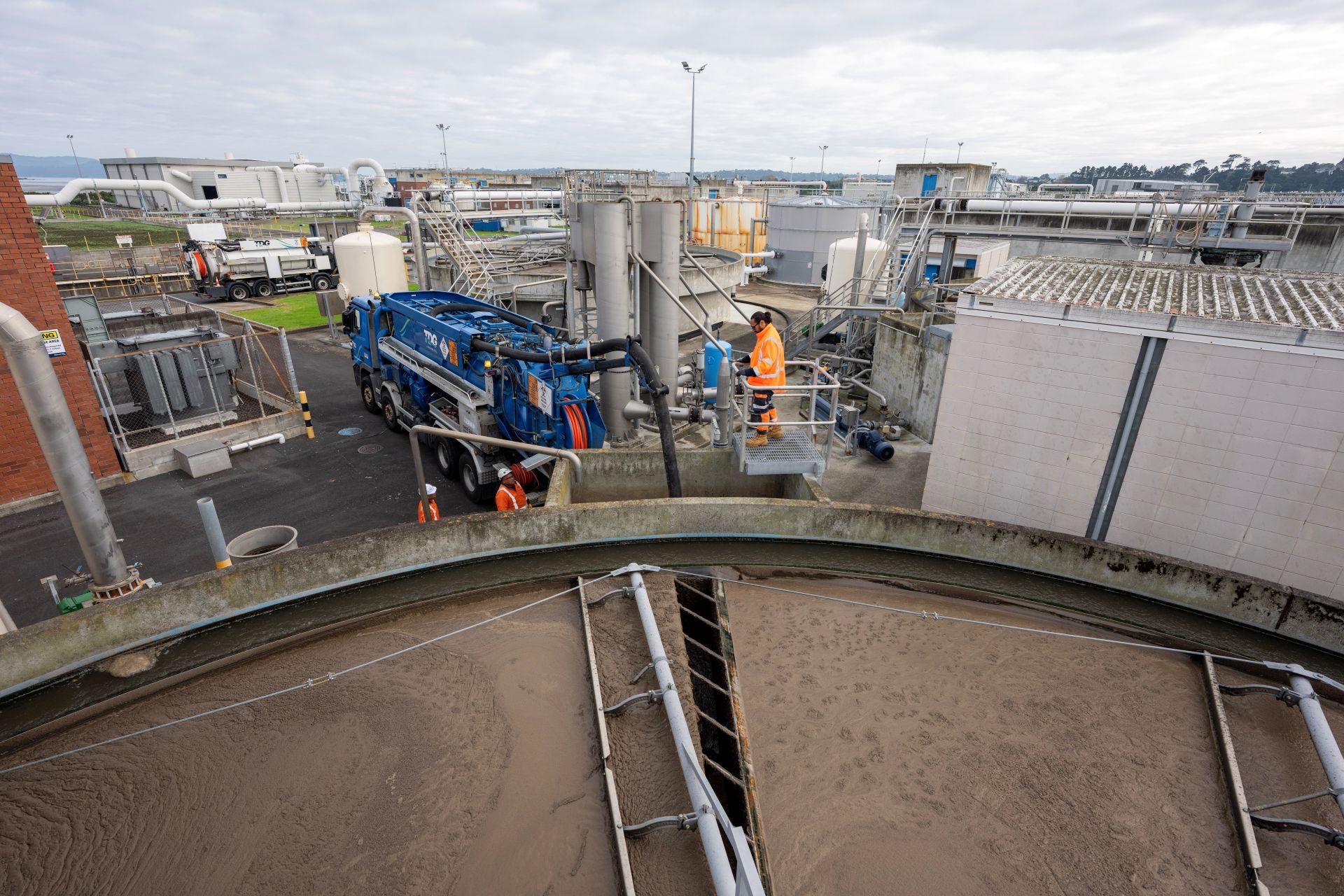
Crews extract sludge from a dissolved air flotation tank at Māngere Wastewater Treatment Plant.
Once treated, wastewater will be discharged through a new outfall extending approximately 100 metres into the Waiuku Channel.
The dynamic harbour environment and tidal movement help disperse highly treated wastewater efficiently, supporting improved environmental outcomes for local waterways and the Manukau Harbour.
Franklin ward councillor Andy Baker says the upgraded plant and new outfall are the first projects Watercare will deliver as part of the $500 million Southwest Wastewater Scheme.
“This programme of work is a major step forward for Clarks Beach.
“The upgraded plant will deliver high-quality treatment, protect the health of the Manukau Harbour, and support the long-term growth of Waiuku, Clarks Beach, Glenbrook Beach and surrounding communities.”
Watercare project manager Sophia Chan says the microorganisms were transported from the Māngere Wastewater Treatment Plant, where they were collected from the bottom of one of the reactor clarifiers.
“The transfer was carried out over two days, with two specialised vacuum loader trucks each transporting about 5000 litres a day.
“Each tanker took around an hour to load before heading off on the hour-long journey to Clarks Beach.”
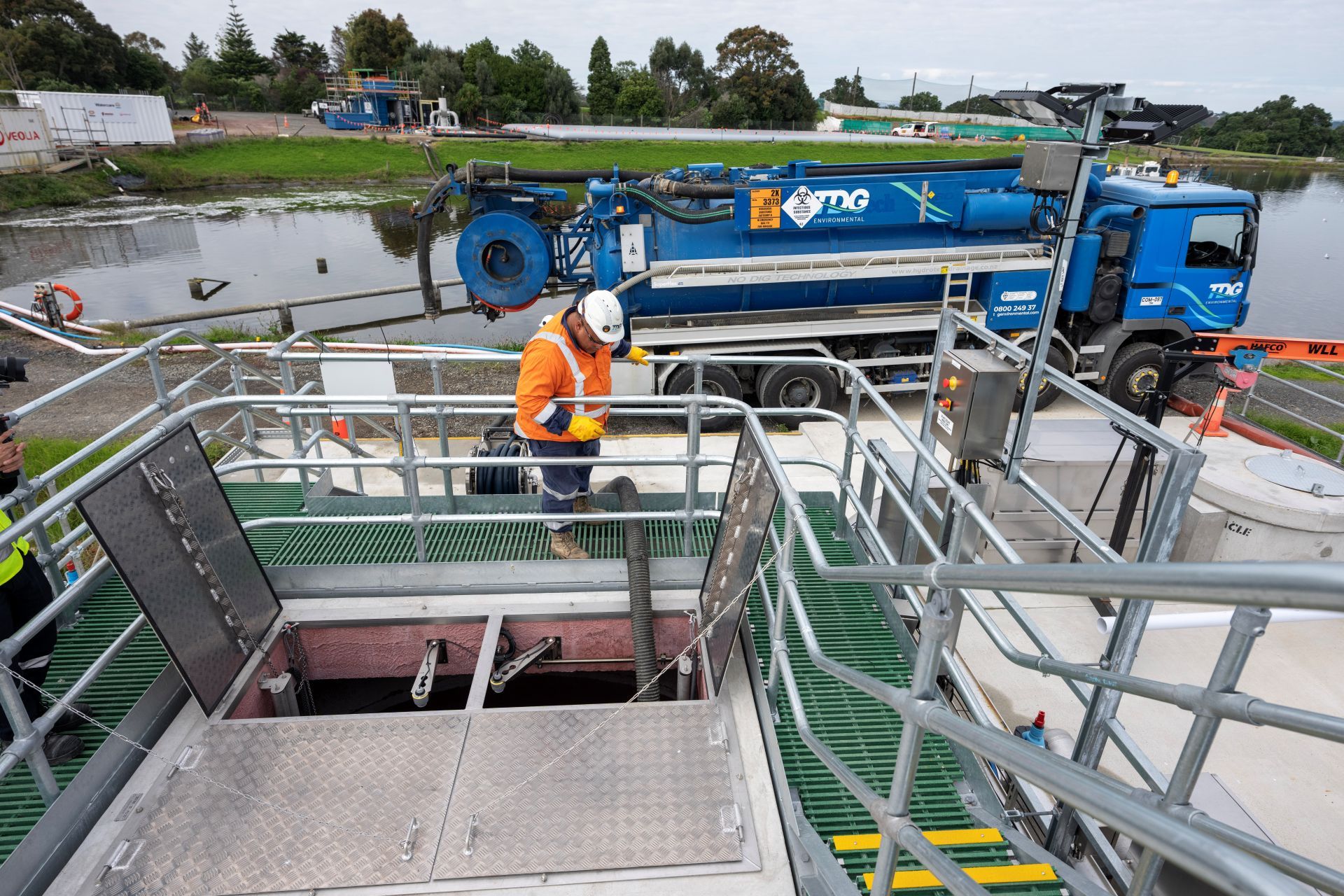
Tankers arrive at Clarks Beach to deliver the activated sludge to its new home.
Chan says seeding the plant with microorganisms is a critical step that allows the biological system to begin establishing itself and effectively start the treatment process.
“Our focus is to grow a stable population of mature microorganisms ‘bugs’ that form a biofilm. To do this, we provide the right balance of food and oxygen, enabling them to grow and effectively remove nutrients from the wastewater.”
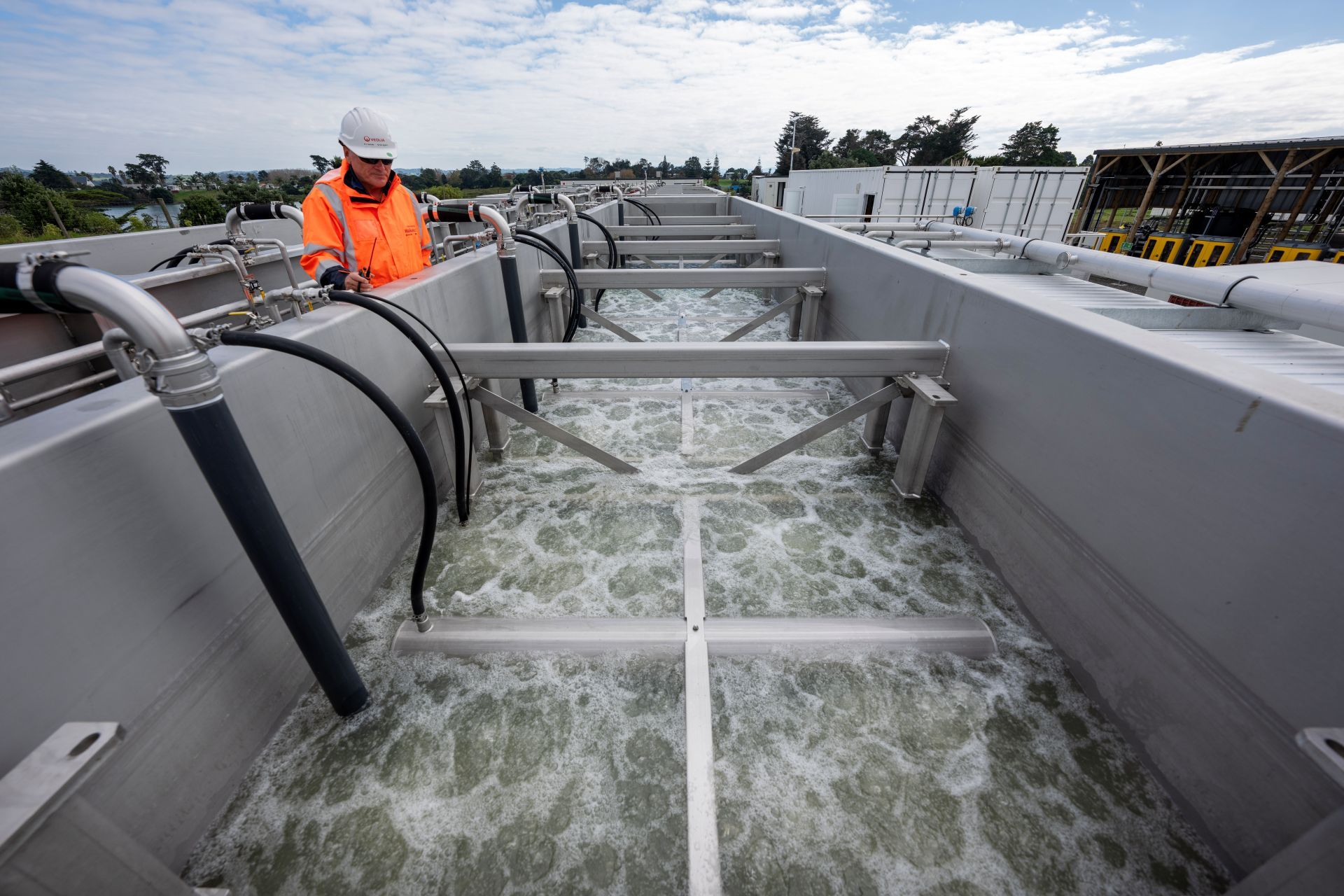
The activated sludge “bugs” settle into their new environment at Clarks Beach.
Southwest programme manager Dave Kennerley says the upgraded wastewater treatment plant and outfall are on track to come into service in early June.
“Work to upgrade the wastewater treatment plant in Waiuku is also underway. It will house the same membrane aerated biofilm reactor (MABR) and membrane bioreactor (MBR) technology as the Clarks Beach plant.
“These technologies deliver higher quality treatment in a much smaller footprint, while using less energy and providing better environmental outcomes.
“The upgraded Waiuku plant will be connected to the Clarks Beach outfall via a pipeline, which we’re finalising the design for.”
Watch below a video about the activated sludge's 'bugs' journey from Māngere to the Clarks Beach Wastewater Treatment Plant.