Keeping calm, controlling the gold clam: how we are managing a freshwater pest
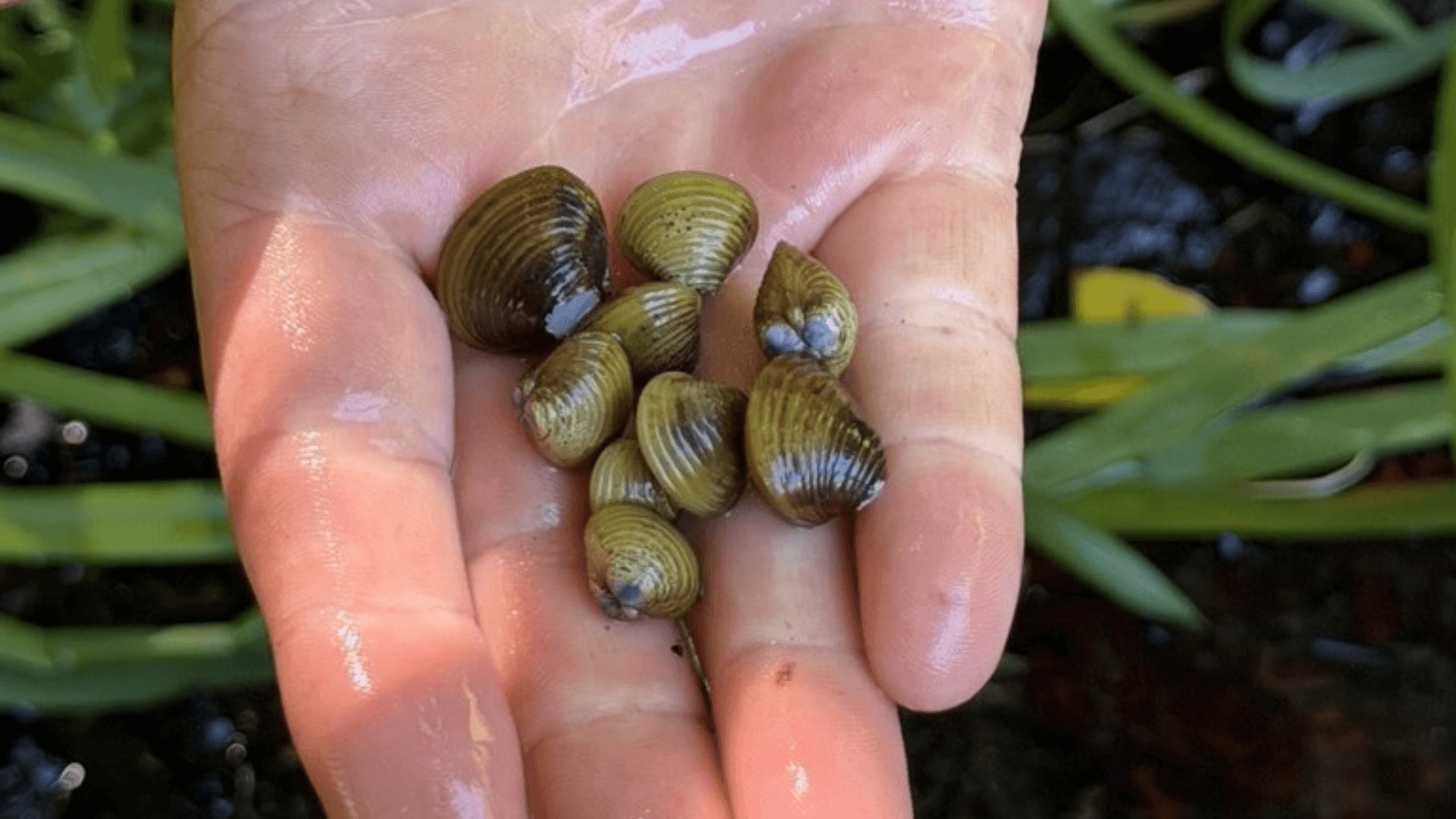
27 February 2026It might sound like something fancy on a restaurant menu, but out in the wild the gold clam is no treat. This tiny freshwater pest breeds quickly, clogs water treatment infrastructure, and can even alter a river’s chemistry by absorbing calcium from it to build its shell.
When it was first discovered in Lake Karāpiro in May 2023 – and later found spreading through parts of the Waikato River in February 2024, including catchments feeding our Waikato 50 and Waikato 175 treatment plants – our operations team knew they had to move fast.
As soon as the clam’s presence was confirmed in the river, general manager of risk and assurance Nigel Toms assembled an incident response team to get ahead of the threat.
Toms says establishing the initial team meant we could quickly understand the scale of the issue and bring the right people together.
“It allowed us to rapidly connect with teams across Watercare, as well as other river users, water companies and regulators across New Zealand. Everyone needed to be aligned on what we were dealing with and how we were going to respond. The immediate priority was determining how far the clams had spread and whether they had entered either treatment plant.”
Senior water quality scientist Stephanie Marshall, southern operations controller Ryan Wood and southern water production manager Tom Wallace were among the first on the ground, coordinating expertise from across the business as the situation unfolded.
Marshall says that if a large number of clams entered the treatment process, they could move deeper into the plant, block pipes, and their shells could damage the membranes that act as our primary barrier to protozoa.
“If we’d lost our protozoal treatment barrier, we couldn’t safely produce drinking water without major operational changes – such as switching to UV disinfection, which is extremely costly and time intensive to implement. Fortunately, the hydrocyclones at the treatment plant – which separate water from sand and solids before they can move further into the system – prevented this from happening.”
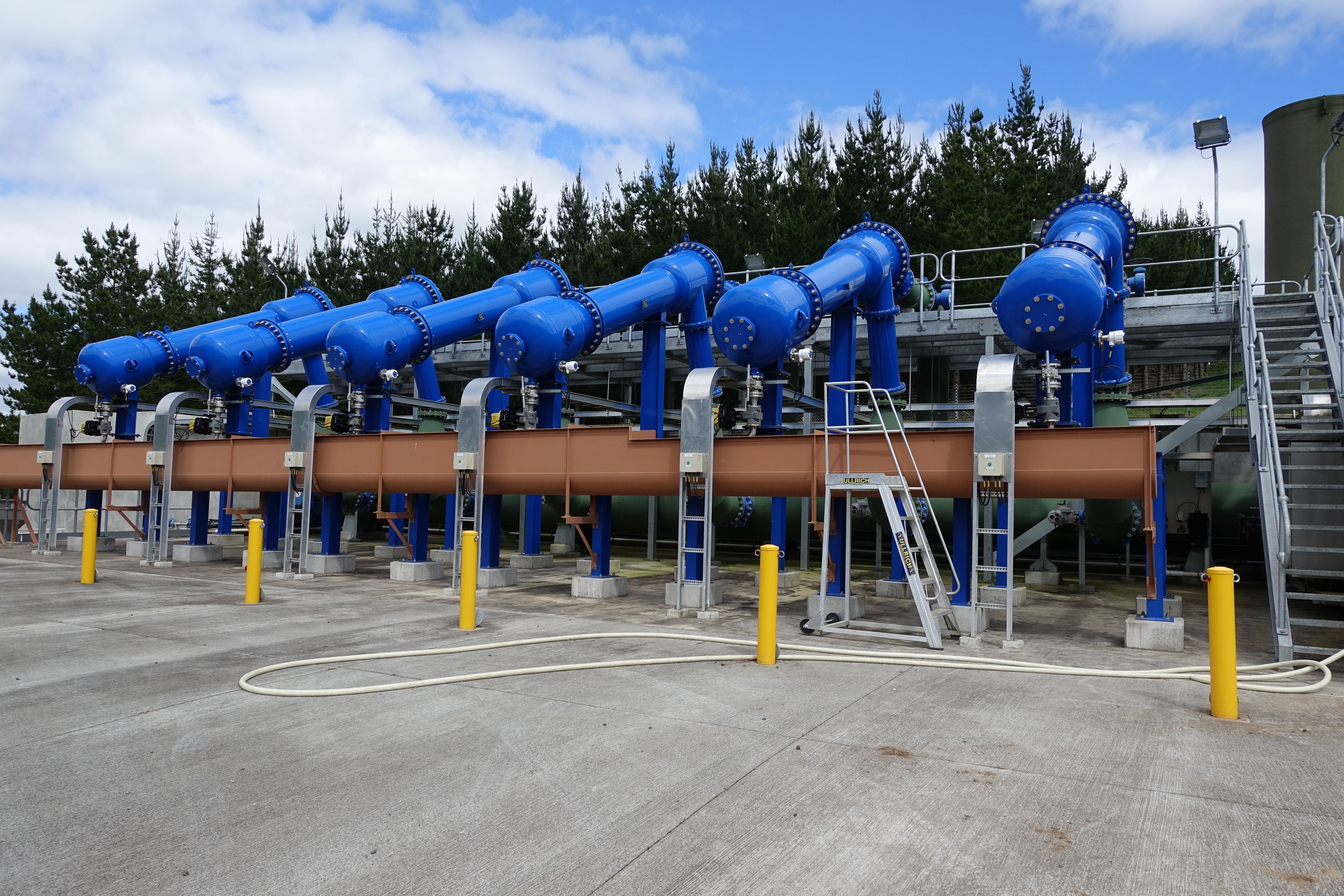
Photo: sand separators in action.
Marshall says that two years on from the initial threat, they have a better understanding of the scale and behaviour of the gold clam and monitoring and preventing its spread has become business as usual for the team.
"We have learnt that they gravitate towards the raw water wet wells and slower moving pipes with sediment. They also seem to dislike the disturbances in pH caused by the alum dosing. They have become bigger in size, which indicates a more established population. With their ability to spawn so rapidly, they undergo mass die-off events which we are yet to experience, but we are preparing for the new challenges this will bring in terms of an influx of floating shells, changes in water chemistry, and odour challenges.”
Marshall says Watercare's comprehensive approach to managing the gold clam includes removing them with hydrocyclones, flushing pipes to prevent settling, increasing underwater inspections, adjusting coagulant (alum) dosing through extra jar tests (a small scale simulation to test and adjust the amount of coagulant), and tracking weekly clam counts to spot trends early.
As the gold clams settle into the Waikato River, the team has introduced new checks and procedures to stop them from spreading to other areas.
“For example, sand removed from the river must be taken to a landfill at the Ministry for Primary Industries’ approved Waikato catchment, rather than to any site outside the area. We now have customs bins to contain the sand and ensure no clams get out and accidentally hitch a ride somewhere new.”
Marshall adds that no country has successfully eradicated gold clams once they become established.
“Physical removal is only possible in very limited situations - and it’s not something we can currently do within our water catchments. Because of this, our focus is on limiting their movement, reducing their impact on our treatment processes, and making sure they don’t spread into other areas.
“As part of the River Infrastructure User Group – which includes organisations operating along the Waikato including Fonterra, Mercury Energy, Genesis Energy, other water suppliers – our strategy centres on prevention and containment. By openly sharing what we’re learning – and hearing what’s working for others on the river – we can explore new ideas, adapt our operations and strengthen our collective understanding.
“This collaboration helps us stay ahead of emerging risks, keeping our treatment plants resilient and ensuring our communities continue to receive safe, reliable drinking water.”