Day in the life of Sarah Innes
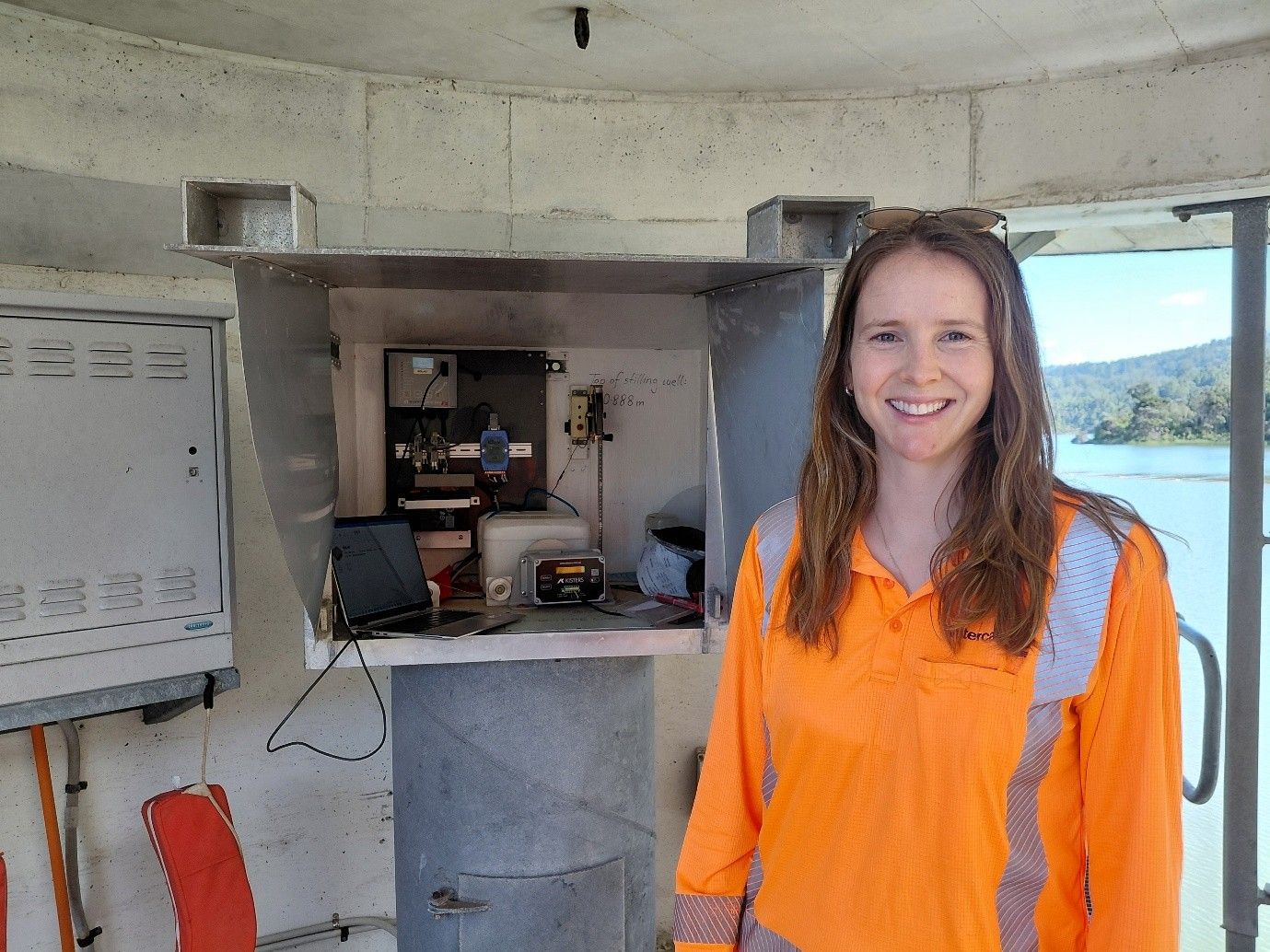
Managing our water sources to make sure our customers have a reliable and secure water supply now and in the future is part of what hydrologist Sarah Innes loves about her job.
Getting to visit remote sites and do field work is a bonus for Sarah, who loves being in the great outdoors.
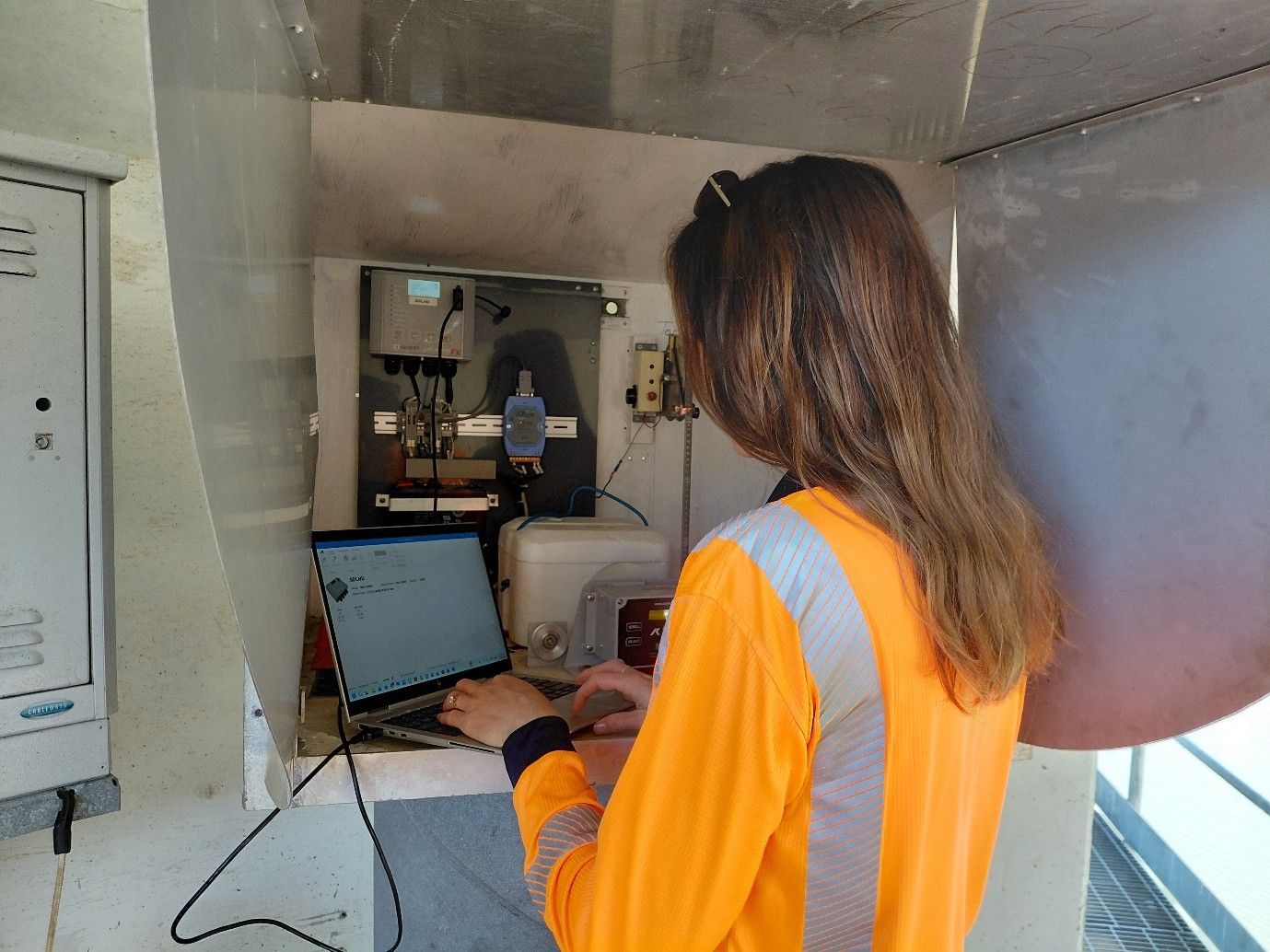
"It's a good balance between field work and office work. The field work mostly involves managing the hydrometric network. It's also a mix of routine and reactive work. If something is broken at a site, we'll head out to see what's going on and fix it."
Her role also involves deciding where to take flows from and figure out a plan for the future.
Originally from New Plymouth, Sarah moved to Auckland to study civil and environmental engineering at Auckland University.
"I interned and got a graduate role at Tonkin and Taylor and worked in the water resources team. I did a lot of hydrology and water resources management, which included water safety plans, flood modelling, stormwater management plans and climate change analyses."
Water captured Sarah's interest early on – "I did a bit of geotechnical work, but I realised I wasn't that interested in rocks. Water is much more interesting."
Seeing Watercare projects being carried out and observing the way we manage the supply network meant she jumped at the chance to apply for a hydrology role three years ago.
Sarah's role sees her visiting rainfall gauges, dams, and stream flow monitoring sites across Auckland.
"I really enjoy the opportunity to go out into the field and visit cool sites. Lots of them are in the Hunua and Waitākere ranges. We're trying to get an overarching view of where the rain is falling and in what quantities. We create long-term records for climate change assessments to understand trends and changes. The data feeds into the water resources modelling that my team does."
The water resources team does short, medium and long-term modelling to understand our water supply situation and balance our sources – deciding how much water we take from each source each week.
"We balance the water sources based on the amount of water available and what's happening in the network."
Cost is also a consideration, as some water sources are more expensive to use than others.
"The dams are mostly gravity-fed and have better quality raw water, while the Waikato River water is more expensive to treat and has higher pumping costs to get over the Bombays."
Long-term modelling is about making sure we maintain our levels of service and operate within our drought management plan, she says.
It's a subject she knows well – Sarah presented at this year's Water New Zealand conference on understanding the drivers of water security during droughts.
"We look at supply and demand, how much water we have available, what our peak summer demand is and what our drought constraints are."
Her role also involves working with Earth Sciences New Zealand and the MetService to get weather forecasts and send updates to the business and hold seasonal briefings to see what weather patterns are likely to be on the way.
"Understanding the conditions going forward ensures that we're operating the system appropriately. For example, if conditions are going to be wet, we would use more water from the dams. If conditions are going to be drier than usual, we would use more water from the Waikato River, even though it's more expensive, to prevent the dams from getting too low.
"We're doing a lot of work around climate change at the moment and the impact that the higher frequency of severe weather events will have on our network."
Sarah had the chance to develop her leadership skills after being selected for this year's Rotary Youth Leadership Awards, along with seven other Watercare colleagues
The week-long intensive leadership experience included indoor and outdoor challenges and Sarah was part of the team that won a social enterprise challenge and presented their winning idea to a crowd of 250 people at the programme graduation.
"It was an awesome opportunity to develop leadership skills early in my career. We were given a great environment to test out the new skills we were taught and encouraged to push our limits, even if that involved failing, as it was all part of the learning opportunity."
When she's not tramping through the bush to get to one of our sites, she's tramping through the bush for fun.
Related Content
Find out if your next roles should be wth us.
Learn about our organisation and how we supply Auckland’s people with safe drinking water and reliable wastewater services.
We supply Auckland’s people with safe drinking water and reliable wastewater services while looking after waterways and the environment.