Seventy-five per cent of Auckland’s wastewater overflows linked to blockages
24 November 2026Everyday actions can help reduce overflows and protect waterways
Watercare is asking Aucklanders to help protect beaches, waterways and neighbourhoods by keeping wet wipes, fats and other rubbish out of the wastewater network.
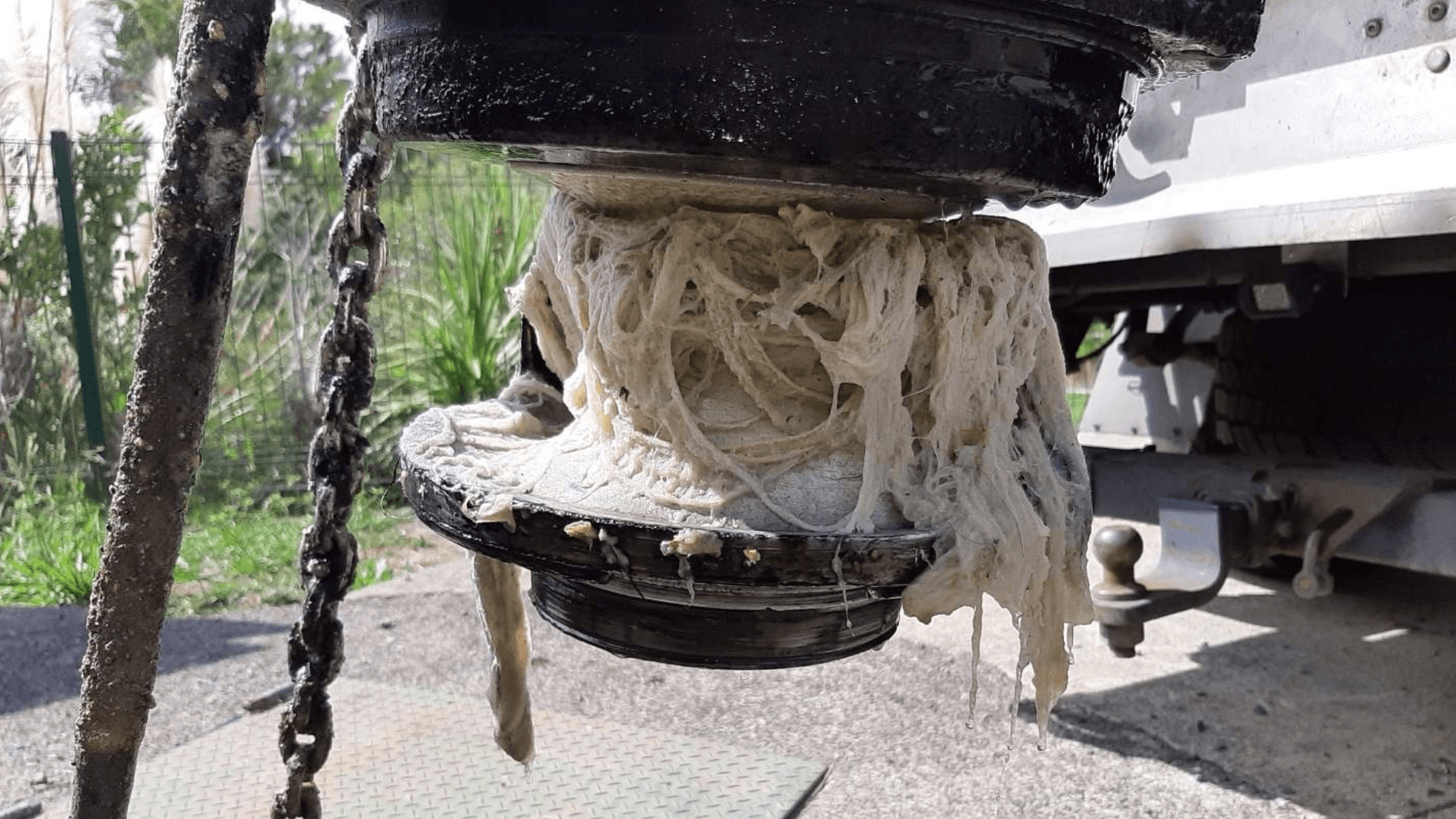
Its latest wastewater performance report shows blockages were associated with 75 per cent of the 5558 wastewater overflows recorded across Auckland in the year to 30 June 2026.
Overall overflows fell by two per cent from the previous year, but Watercare chief operations officer Mark Bourne says the results demonstrate the need for continued investment in Auckland's wastewater infrastructure, alongside simple actions by households and businesses.
Watercare is working to address the condition and capacity of the public wastewater network through a three-part approach: finding problems earlier, fixing existing faults and building infrastructure for Auckland's future.
Watercare plans to invest $15.2 billion in more than 1000 projects across nine major programmes under its 10-year plan, including the Herne Bay Collector, Northern Interceptor and targeted upgrades in growth and renewal catchments across Auckland.
Bourne says smart sensors installed across the wastewater network in the past year are now preventing more than one overflow a day on average by detecting blockages before they cause wastewater to escape from the system.
"The sensors are a practical example of how we're using innovation to reduce overflows. Being able to see patterns in the network from the sensor data also helps us make more effective decisions about maintenance, investigations and investment."
Aucklanders can help prevent avoidable blockages and overflows by:
- flushing only the 3 Ps: pee, poo and toilet paper
- putting wet wipes, dental floss, tampons and other rubbish in the bin
- allowing fats, oils and grease to cool before putting them in the bin, rather than pouring them down the sink
- making sure private stormwater and wastewater plumbing is correctly connected
- reporting suspected wastewater overflows or network problems promptly.
Bourne says understanding what happens after water goes down a sink, drain or toilet is an important part of improving the network's performance.
"Reducing overflows requires both investment in the network and everyday actions that help keep it operating effectively.
"While overall overflows fell during the year, blockages were still associated with three-quarters of overflows across Auckland.
"Items such as wet wipes do not break down like toilet paper. Along with fats, oils and grease, they can accumulate in pipes and contribute to blockages and overflows.
"Preventing these materials from entering the network is one practical way Aucklanders can help protect their communities and the environment."
Heavy rain remains another significant cause of overflows. Stormwater and groundwater can enter wastewater pipes and increase the volume the network must carry, particularly where pipes are damaged, incorrectly connected or have limited capacity.
Older combined wastewater and stormwater systems make up around two per cent of Auckland's wastewater network but accounted for 37 per cent of controlled overflows during the year.
Bourne says Watercare is expanding investigations to find where stormwater and groundwater are entering the wastewater system, while delivering targeted upgrades in the catchments experiencing the greatest pressure.
"Reducing wastewater overflows requires action from both Watercare and Aucklanders, but our responsibilities are different.
"We're responsible for operating, maintaining and upgrading the public network, while Aucklanders can help by using the system correctly, checking their private plumbing and reporting problems quickly.
"Better public understanding is important because wastewater, stormwater and drinking-water networks perform different jobs. What enters each system, and whether they are correctly connected, can make a real difference. Aucklanders who see or suspect a wastewater overflow should report it to Watercare.”
Current information about swimming conditions and water-quality risks is available through Safeswim.